

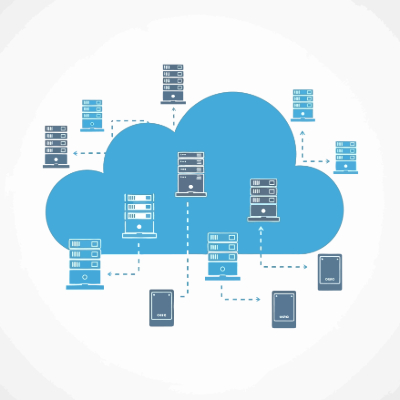
If your cloud bill is the second-largest line item after payroll, but you still can’t explain exactly what you’re paying for, you aren’t running a lean operation. You’re paying a significant and ever-expanding growth tax. For a business owner, cloud tracking isn’t about technical metrics like CPU usage or latency; it’s about margin preservation. It is the difference between scaling your profit and simply scaling your provider’s revenue. If you want to stop the end-of-month heart attack, you need to turn technical voodoo into a manageable business asset.

Working in IT, our job is to worry so you don’t have to. The things keeping us up at night in 2026 are vastly different from the headaches of five or ten years ago. Thanks to the invisible power of AI-driven automation and mature cloud ecosystems, many of the manual, soul-crushing tasks that used to define IT support have essentially vanished.

Today’s business technology is like operating in the wild west. It’s expansive, fast-moving, and if you aren’t careful, it can gallop away from you before you even realize it’s gone. Between SaaS sprawl, underutilized hardware, and hidden maintenance fees, many companies are overspending by 20-to-30 percent on their entire technology stack. That’s a lot of money. It’s time to saddle up and start earning some savings. Today, we wanted to give you a guide of sorts that can help you round up your expenses and bring your technology budget back under control.

I know the headache well: that one critical, but crusty, legacy application that the business relies on, but the vendor has long since abandoned. It’s a non-negotiable part of operations, but it sits on an outdated OS or platform, a massive, blinking security vulnerability in the middle of our network. We can’t patch it, and we can’t immediately rip and replace it. So, how do we sleep at night? The answer, increasingly, is through the strategic application of cloud computing. The cloud isn’t just about cost savings or scalability; it’s a fundamental change in how we manage risk, especially the risk posed by unpatchable, end-of-life (EOL) software.

If you run a business you know that downtime isn’t just an inconvenience, it’s a problem. That’s where failover comes in. If you’ve ever wondered how major websites and services seem to stay operational even when something goes wrong, failover is a key part of the answer.