


While still critical to get right, passwords aren’t nearly as secure as you would expect them to be. They can be guessed (especially if proper password practices haven’t been followed), stolen in data breaches, or phished from a well-meaning—albeit shortsighted—employee. Passwords are basically the lock built into the front door of a building. They’re enough to keep out honest people, but what about the people who are willing to go to the deep web and 3D print the master key to the type of lock you use?

Did you know that during World War II, Allied codebreakers didn’t just crack the German Enigma code with pure math? They also used clever tricks, like baiting the Germans into sending predictable messages, to expose the machine’s inner workings. History proves this approach worked then, and (unfortunately) continues to work now. This art of manipulating a system to reveal its secrets has found a new, high-tech home in the world of artificial intelligence. It’s called prompt hacking, and it’s essentially a form of digital social engineering aimed directly at the AI models businesses are starting to rely on.

Your business’ relationship with IT has a direct correlation to how well it operates. If your technology fails, your business suffers productivity losses, as well as financial ones due to decreased reliability in the eyes of customers and clients. One of the best ways to ensure you’re following through on the promises you make to your customers is to implement a proactive IT strategy to replace the reactive approaches seen in the past.

It’s a familiar challenge for businesses: how do you build customer loyalty and a strong user experience while also making sure that their data is protected? Sustainable success depends on mastering this delicate balance. Instead of choosing one over the other, the goal is to optimize data protection without hindering your ability to engage customers and drive growth.
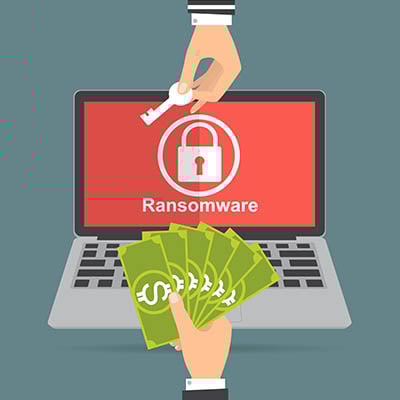
Here’s a challenge; go to any cybersecurity news website and see how far you can go before seeing an article about some new type of ransomware attack. It’s everywhere, and it’s scary, but that doesn’t mean your business has to cower in fear. With the right tools and resources at your disposal, you too can fight back against ransomware. Here’s how you can protect your business from ransomware and the threats it poses.