Streamlining Operations with Edge Hardware Infrastructure

Cloud computing provides remarkable flexibility by allowing businesses to lease computing power hosted in remote data centers. However, relying strictly on the cloud means every internal action must complete a round-trip journey across the public Internet.
Consider a retail store that must mail every sales receipt to a central office across the country before a cashier can hand a customer their change. While the process functions on paper, it introduces unnecessary delays that hurt the customer experience and slow daily operations to a crawl.
Bringing Intelligence Local: What Is Edge Hardware?
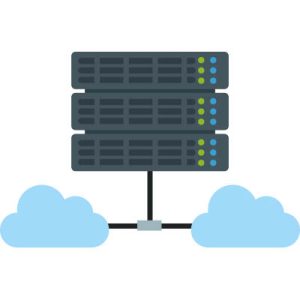
Edge hardware eliminates this bottleneck by placing physical computing infrastructure—such as localized servers and compact network appliances—directly inside your physical facility. Instead of routing routine tasks across the web, edge hardware processes and stores operational data right where it is generated.
Safeguarding Operations Against Internet Outages
What happens to your checkout counters, manufacturing lines, or customer service desks when your internet service provider suffers a multi-hour outage? In a 100% cloud-dependent organization, work halts completely—creating a costly and unacceptable business risk.
Edge hardware functions as a resilient local safety net. By keeping computing power on-site, it ensures your mission-critical applications remain fully functional, even when your primary internet connection fails.
Eliminating Bandwidth Bottlenecks and Network Latency
Every barcode scan, security video feed, and file transfer consumes bandwidth. In active work environments, thousands of daily data requests quickly saturate your local network, leading to screen buffering, slow load times, and inflated bandwidth costs for transmitting raw, unorganized data.
Edge architecture acts as an intelligent local filter:
- Instant processing – Time-sensitive tasks and immediate records are handled locally at LAN speeds.
- Smart syncing – Non-critical operational data is filtered, compressed, and uploaded to the cloud during off-peak hours.
- Sustained productivity – Staff avoid network slowdowns, keeping workflows fast and efficient.
Operational Resilience as a Responsibility
Maintaining as-close-to-continuous operation is a fundamental duty to the employees, clients, and partners who depend on your services.
Deploying a hybrid model pairs the massive storage capacity of the cloud with the instant speed and reliability of edge hardware; protecting your revenue and preserving client trust.
Modernize Your Network with White Mountain IT Services
Building an efficient hybrid IT infrastructure requires strategic planning, proper equipment selection, and proactive management.
If you are ready to eliminate network latency, reduce bandwidth overhead, and protect your business from downtime, contact White Mountain IT Services at (603) 889-0800. Our team will evaluate your current environment and design a customized balance of cloud and edge solutions tailored to your operational needs.