

Shadow AI is a Real Threat
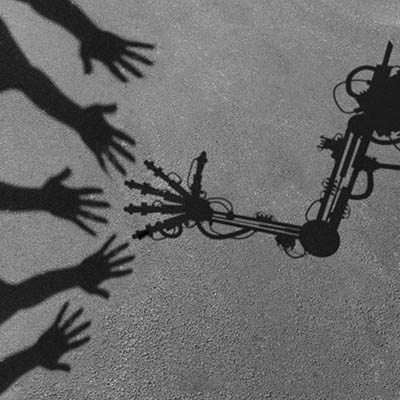
As an IT service provider, our techs spend their days at the intersection of cutting-edge and business-critical. In 2026, the conversation about each has shifted. It is no longer about whether you should use AI, because everyone is, but about the risks of trusting it blindly.
We have seen it firsthand: companies that treat AI like a set-it-and-forget-it solution often end up calling us for emergency damage control. Here are the major pitfalls of over-trusting AI and how to keep your business from becoming a cautionary tale.
The Black Box Accountability Gap
One of the biggest risks is the loss of explainability. When an AI system makes a critical decision—like rejecting a loan or flagging a security threat—and your team cannot explain why, you are in trouble. In regulated industries, the AI said so is not a legal defense. We advocate for Explainable AI (XAI). If you cannot trace the logic, you should not trust the outcome for high-stakes decisions.
Hallucinations and the Package Attack
Generative AI is a master of confidence, even when it is completely wrong. We have seen AI hallucinations move from funny quirks to genuine security threats. AI models sometimes suggest code libraries or software packages that do not exist. Hackers now engage in slopsquatting, creating malicious packages with those exact hallucinated names, waiting for your developers to inadvertently download them. Never push AI-generated code or content to production without a human-in-the-loop (HITL) review.
The Decay of Critical Thinking
Gartner predicts that by the end of 2026, 50 percent of organizations will actually need to introduce AI-free assessments because employee critical thinking is declining. When staff rely on AI to draft every email, summarize every meeting, and solve every technical glitch, they lose the ability to spot when the AI is steering them off a cliff. Treat AI as a junior intern, not a senior partner. It provides a draft; your experts provide the final word.
Shadow AI and Data Leakage
Shadow AI is a problem businesses face when employees use unapproved, public AI tools to handle sensitive company data. If an employee pastes a proprietary contract into a public LLM to summarize the risks, that data could potentially be used to train future versions of the model, effectively leaking your trade secrets to the world. We help companies implement private, enterprise-grade AI instances where data is sandboxed and never leaves the corporate perimeter.
The Hidden Financial Iceberg
Many CEOs trust that AI will immediately slash costs. In reality, the sticker price is just the tip of the iceberg. Roughly 60 percent of AI expenses often come after the initial implementation. These include hidden costs like data cleaning, performance degrading as world conditions change, and GPU/cloud scaling.
The Verdict: Trust, but Verify
AI is an incredible tool for efficiency, but it lacks intuition, empathy, and accountability. As your IT partner, our goal is to help you build a system that makes sure you get the productivity of AI without surrendering the human judgment that built your business.
For more information about how technology can help your business, give us a call today at (603) 889-0800.