


In its current form, Artificial Intelligence is a bit like a highly gifted but incredibly literal intern. If you don’t provide a crystal-clear roadmap, it will happily lead you down a “digital rabbit hole,” burning through your team’s billable hours and patience.
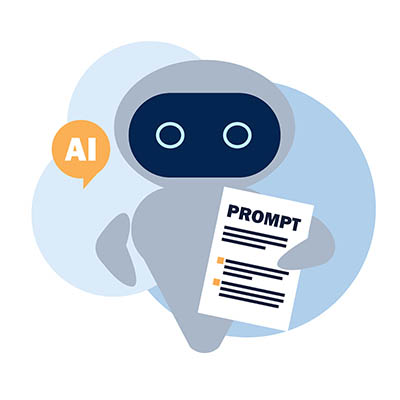
In its current state, artificial intelligence takes whatever you tell it very literally. As such, it is very easy to misdirect it into digital rabbit holes… which is the last thing you want, when time is very much money to your business. This is precisely why it is so crucial that we become adept at properly prompting the AI models we use. Too many hallucinations (responses that share inaccurate or unreliable information) simply waste time and money, but the better the prompt, the less prone the AI will be to hallucinate. Let’s go over some of the best practices to keep in mind as you draft your prompts.

We all want our businesses to succeed… that’s generally the point of running one. However, this will require you to set the right goals and do so correctly. Let’s walk through the process you should follow to accomplish this.
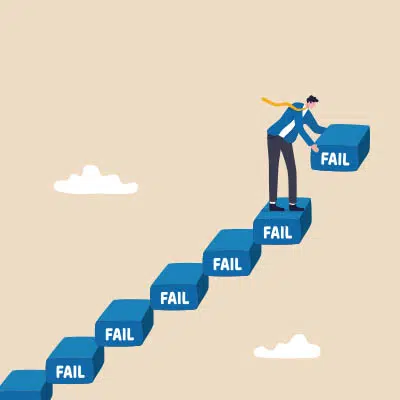
It can be challenging to deal with failure in any context, but in the case of your workplace projects and other efforts, it can be particularly harsh. This makes it all the more important to frame such failures as opportunities to grow in the future. Let’s discuss six reasons an initiative may fail and the lessons that can be learned from these situations.

There are several reasons to use a form to collect data for your business, from customer impressions and service needs to employee feedback about internal matters as a means of collaborative decision-making. The trouble comes when it is time to compile all the responses… unless you know how to use the tools at your disposal. For this week’s tip, we’re walking through the process of creating a form that self-populates a spreadsheet using Google’s toolkit.
- 1
- 2