

Your Business Security is Not Something to Neglect
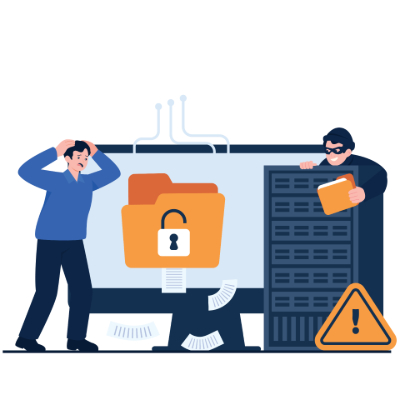
If you still view your IT department as a mere secondary expense, you are likely overlooking the most significant threat to your company’s profitability. In today’s landscape, digital infrastructure isn’t just a static utility; it is the very plumbing of your revenue. It functions as either a reinforced vault protecting your hard-earned gains or a porous sieve where your margins quietly drain away. To truly safeguard your legacy, you must look past the technical jargon and recognize a fundamental truth: cybersecurity isn’t a tech problem relegated to a basement office—it is a direct and measurable pillar of your financial stability.
Moving Beyond Simple Safety Promises
While standard IT companies promise safety, that remains an abstract concept if you cannot make payroll on Friday. True protection requires a much different perspective that focuses on the invisible audit. This involves finding specific operational pathways where your money is at risk and translating binary threats into business risks. Rather than boring you with encryption protocols, a forensic lens identifies how specific vulnerabilities affect your cash flow. By looking at your business from a thief’s perspective, it becomes clear that lazy habits are often more dangerous than master hackers. Ultimately, the focus must shift from just the lock on the door to how fast your business can recover after that door is kicked down.
Behavioral Habits to Stop the Bleeding
Cybersecurity is less about buying the right software and more about shifting business behavior through disciplined habits. This starts with the second-channel rule, which mandates that no wire transfer or sensitive banking change—especially those over $5,000—should be approved via email alone. A quick call to a known number to verify the request is essential. Ultimately, employees should transition from passwords to passphrases, which are easier for humans to remember but significantly harder for bots to crack.
Security also extends to where and how you work; there should be a total ban on accessing payroll or bank accounts via public Wi-Fi without a secure hotspot or VPN. Internally, zero-trust offboarding ensures that a former employee’s access is terminated the moment they leave, closing potential backdoors. Finally, never overlook physical security, as a massive breach can easily begin with something as small as a $5 USB drive left in a parking lot or an unlocked server closet.
The Cycle of a Thief
Hackers rarely blast their way into a system; instead, they exploit a nice guy tax by weaponizing your employees’ natural desire to be helpful. This predictable cycle begins with observation, where a thief researches your company on social media. They then move to the hook, sending a message that mimics the CEO’s tone and creates a false sense of urgency. This leads to exploitation, where an employee is asked for a small favor, like checking an invoice. Once the link is clicked, the thief makes their exit, vanishing with the funds before the crime is even detected. This is why small businesses are often more profitable targets than banks; they lack the billion-dollar defenses but possess plenty of helpful staff who do not want to say no to the boss.
What is Actually at Stake?
Ignoring these leaks risks the very foundation of your company. Beyond the immediate financial loss, you face reputational damage and the humiliation of admitting to clients that their data was compromised. You also risk insurance denials, as many policies will not pay out if basic due care standards were not met.
On the other hand, maintaining clean IT logs and secure practices adds massive valuation if you ever decide to sell. Most importantly, proactive security prevents operational paralysis, ensuring you do not pay staff to sit idle for two weeks while your systems are painstakingly restored.
Stop the Leak Today
Do not wait for a financial betrayal to realize your bucket is leaking. Take control of your business security by moving away from jargon and toward real-world protection. To schedule your assessment, call White Mountain IT Services at (603) 889-0800.