


You have probably been bombarded by tech pitchmen telling you to “migrate everything to the cloud.” Half the time, it sounds like an expensive buzzword designed to sell you another monthly subscription. The truth is much simpler: “the cloud” is really just using someone else’s computer. Instead of housing a loud, dusty server box in your office closet, you are paying a company like Microsoft or Amazon to host and maintain the physical hardware in a massive data center. In fact, you use it every day without thinking about it. Checking webmail, using online banking, or sharing files in Microsoft 365 are all cloud-based. You are likely already relying on it for most of your daily work.

Monthly cloud bills frequently increase by ten or fifteen percent each month without any corresponding addition of new infrastructure, increased computing power, or expanded services to show for the extra expense. This invisible drain on an operating budget is caused by cloud sprawl. Cloud sprawl occurs when an organization accumulates cloud services, software subscriptions, and digital data storage spaces without a centralized plan, clear provisioning guidelines, or proper executive oversight.

Does your business operate in the moment, or does it prioritize what’s just around the corner? As a business owner, you have a tricky balance to strike between the two, and where technology is concerned, the answer is not always so clear-cut. But it’s generally better for your business to look at technology management with the perspective offered by an IT roadmap to inform your decision-making, from everyday implementations to major deployments.
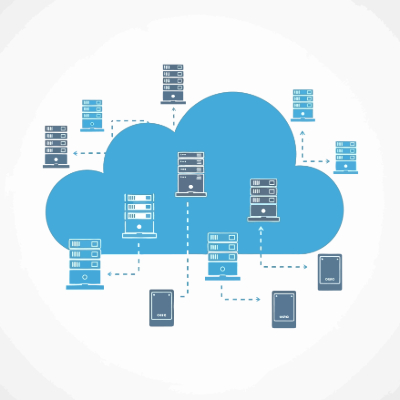
If your cloud bill is the second-largest line item after payroll, but you still can’t explain exactly what you’re paying for, you aren’t running a lean operation. You’re paying a significant and ever-expanding growth tax. For a business owner, cloud tracking isn’t about technical metrics like CPU usage or latency; it’s about margin preservation. It is the difference between scaling your profit and simply scaling your provider’s revenue. If you want to stop the end-of-month heart attack, you need to turn technical voodoo into a manageable business asset.

Remember buying software on disks and installing it, computer by computer? Thankfully, those days are long behind us. Today, Software as a Service (SaaS) offers powerful advantages, especially for small and medium-sized businesses. Let’s explore how you can benefit from these subscription-based tools.
- 1
- 2