

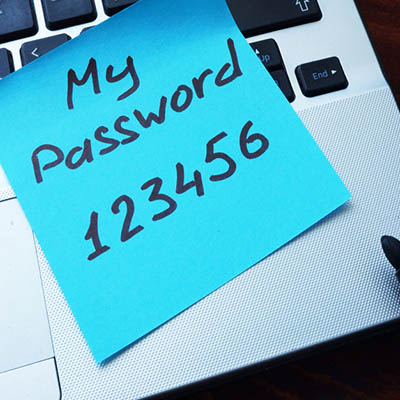
How many employees do you have who keep your company’s passwords on sticky notes stuck to their monitors? This simple, seemingly benign trick could be putting your business at risk. After all, if you can see the password on a sticky note, so too can others who happen to be wandering around the office—including potential threat actors.
What was the scariest Halloween costume you saw last week? Chances are we know something scarier—the cyberthreats that want to take your business down. Let’s go over some of the most common threats to your business’ future and what your business can do about them.

Happy Halloween! Tonight, ghosties and goblins will roam from door to door, collecting candies along the way. This is to be expected. Less expected are the cyberthreats and attacks that darken the doors of modern businesses of all shapes and sizes. Let’s talk about the things you need to do to keep your business safe, inside and out, every night of the year.

It’s easy for employees to reuse passwords just to make things easier for themselves; after all, why use different passwords when you have a dozen accounts to remember passwords for? Unfortunately, this habit will come back to bite you, especially if your business is ever involved in a data breach. These credentials could be put up for sale on the dark web… and that’s just the beginning of your problems.

Let’s say that a small business, maybe even one of your neighbors, just poured thousands of dollars into the latest and greatest security software and firewall system. You’re impressed… until a disgruntled employee walks in one night, nothing to stop them, and takes a hammer to the server they have behind an unlocked door. Suddenly, there’s one less small business, and there was nothing that expensive security software could do about it.